
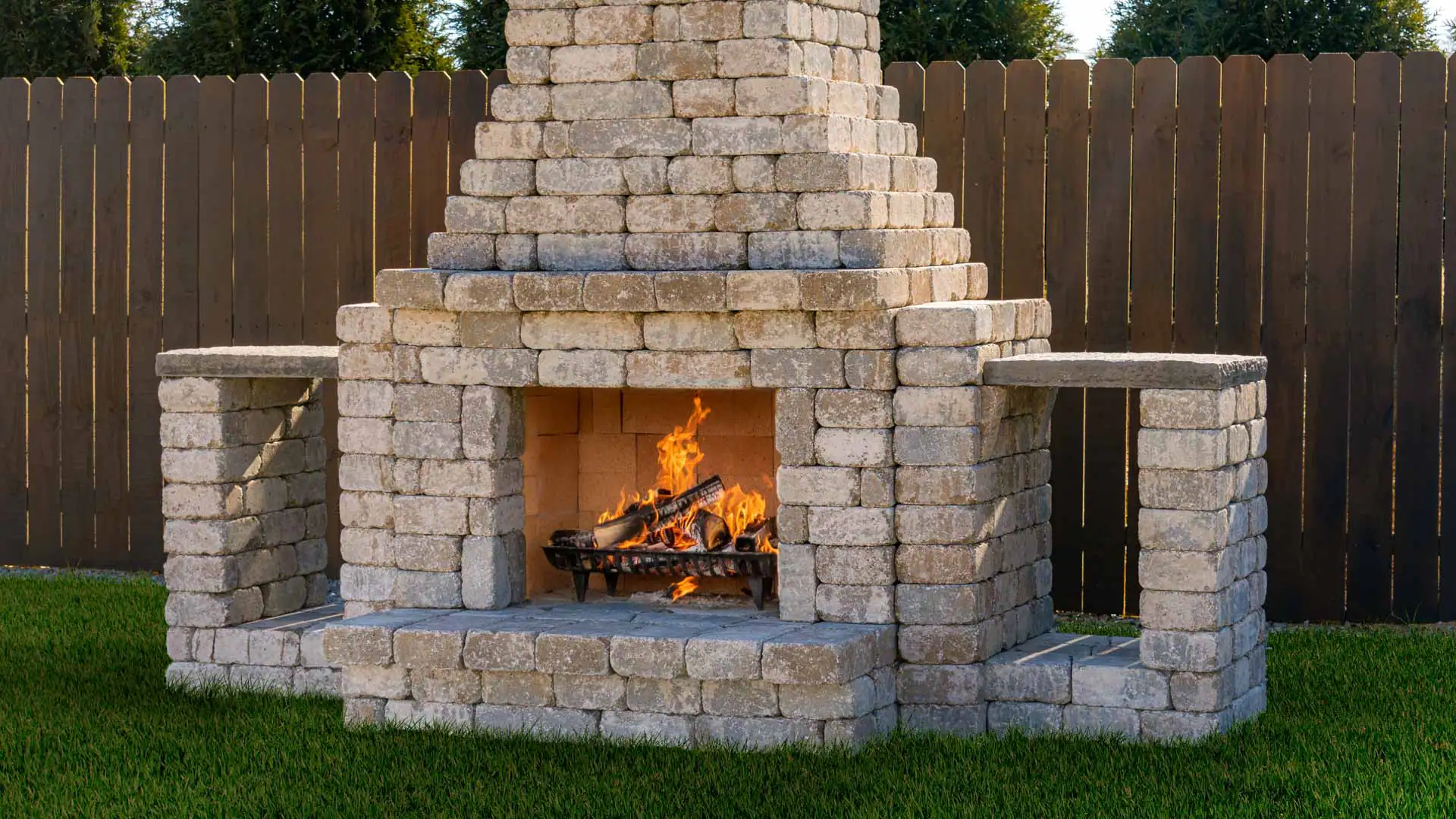
Outdoor Brick Fireplaces Durban: Custom Builds That Endure
Extending Your Living Space with Custom Outdoor Brick Fireplaces
Your outdoor entertainment area deserves a centrepiece that matches Durban’s year-round outdoor lifestyle. Custom outdoor brick fireplaces create gathering spaces where friends and family naturally congregate, whether you’re hosting weekend braais or enjoying quiet evenings under the stars.
Durban’s subtropical climate provides nearly twelve months of outdoor living opportunities. Unlike regions where outdoor fireplaces serve seasonal purposes, your investment creates a focal point that enhances outdoor experiences throughout the year. Cool winter evenings become cosy gatherings, while summer nights benefit from ambient lighting and cooking capabilities.
The coastal environment presents unique opportunities for outdoor fireplace design. Salt air, humidity variations, and occasional strong winds require specific construction approaches that experienced builders understand. Your fireplace needs materials and techniques suited to these conditions while maintaining aesthetic appeal that complements your property’s character.
Why Brick Construction Excels in Coastal Environments
Brick offers unmatched durability for outdoor applications in Durban’s climate. The material withstands humidity fluctuations, temperature changes, and salt air exposure that would deteriorate lesser construction materials over time. Quality brick installations maintain structural integrity and appearance for decades with minimal maintenance requirements.
Thermal mass properties of brick provide excellent heat retention and distribution. Your fireplace continues radiating warmth long after flames subside, extending comfortable outdoor time during cooler months. This characteristic proves particularly valuable during autumn and winter when temperature variations affect outdoor comfort levels.
Local clay brick varieties complement regional architectural styles found throughout Durban’s diverse neighbourhoods. Whether your property features contemporary design in Ballito, traditional styling in Kloof, or coastal cottage charm in Umdloti, brick construction integrates naturally with existing landscape and architectural elements.
Design Options for Every Outdoor Space
Your outdoor fireplace should reflect personal preferences while suiting your property’s scale and style. Traditional designs work beautifully in established gardens throughout suburbs like Westville and Pinetown, where they complement mature plantings and heritage home features.
Contemporary installations suit modern properties with clean lines, minimal ornamentation, and integrated seating or storage areas. These designs often incorporate built-in braai facilities, wood storage compartments, and LED accent lighting that creates dramatic evening atmospheres.
Rustic designs appeal to homeowners seeking relaxed, country-style outdoor environments. Textured bricks, natural stone accents, and timber elements create inviting focal points that suit informal entertaining and casual family gatherings.
Multi-functional designs combine fireplace features with outdoor kitchen elements, pizza ovens, or extensive seating areas. These installations create complete outdoor entertainment zones that rival indoor comfort while taking advantage of Durban’s favourable climate conditions.
Construction Techniques for Coastal Durability
Your outdoor fireplace requires construction methods specifically adapted to coastal conditions. Foundation systems must accommodate soil variations, drainage requirements, and potential wind loading that affects outdoor structures differently than indoor installations.
Moisture management becomes critical in outdoor applications where rain, humidity, and irrigation systems create challenging conditions. Proper drainage around foundations, weatherproof mortar formulations, and appropriate sealers protect your investment while maintaining structural integrity.
Wind resistance considerations affect both design proportions and construction details. Fireplace heights, chimney configurations, and structural anchoring systems require engineering appropriate to local wind patterns and occasional severe weather events.
Material selection focuses on products tested for outdoor durability. Face bricks must resist freeze-thaw cycles, salt air exposure, and UV radiation while maintaining colour stability and surface integrity over extended periods.
Site Planning and Preparation Requirements
Proper site selection considers prevailing wind directions, proximity to structures, and local authority setback requirements. Your fireplace location affects both performance and safety while influencing overall outdoor space functionality.
Underground utilities require location and marking before construction begins. Gas lines, electrical services, water supplies, and irrigation systems need protection during excavation while ensuring adequate access for connections where required.
Drainage considerations prevent water accumulation around fireplace foundations while directing surface runoff away from structures. Poor drainage causes settlement, frost damage, and moisture problems that compromise long-term performance.
Access routes for construction equipment and materials affect project logistics and costs. Sites with limited access may require alternative construction methods or additional labour for material handling.
Professional Construction Process
Quality construction begins with detailed site survey and soil analysis to determine appropriate foundation requirements. Clay soils common in many Durban areas require specific foundation approaches that prevent seasonal movement and settling.
Excavation depths depend on local frost lines, soil bearing capacity, and structural loads. Coastal areas typically require shallower foundations than inland regions, but poor drainage or expansive clays may necessitate deeper excavations or alternative foundation systems.
Concrete placement requires proper mixing, placement, and curing techniques suited to coastal humidity levels. High humidity affects concrete setting times and strength development, requiring adjustments to traditional construction schedules.
Brick laying proceeds using mortar formulations resistant to salt air and moisture cycling. Experienced masons understand joint profiles, tooling techniques, and curing requirements that ensure long-term weather resistance and structural performance.
Chimney Design and Performance Factors
Effective chimney design ensures proper draft while preventing downdrafts during variable wind conditions common in coastal areas. Height calculations consider surrounding structures, vegetation, and topography that influence airflow patterns.
Cross-sectional areas must balance adequate draft with structural requirements and aesthetic proportions. Oversized chimneys create poor draft conditions while undersized systems may not handle combustion products effectively.
Cap and spark arrestor selection provides weather protection while preventing ember escape. These components require regular inspection and maintenance to ensure continued effectiveness in coastal environments where corrosion accelerates normal wear patterns.
Flashing and weatherproofing systems protect chimney penetrations and joints from water intrusion. Quality installation prevents leaks that cause structural damage and performance problems over time.
Fuel Options and Operational Considerations
Wood-burning systems provide authentic outdoor fireplace experiences with natural sounds, aromas, and flame characteristics. Local hardwood species like eucalyptus and wattle burn efficiently while producing minimal smoke when properly seasoned.
Gas installations offer convenience with instant ignition and precise flame control. Remote controls and safety shut-off systems allow easy operation while maintaining safety standards for outdoor applications.
Combination systems provide flexibility by incorporating both wood and gas capabilities. Gas starters facilitate wood ignition while backup gas systems ensure reliable operation regardless of wood availability or weather conditions.
Cooking accessories expand functionality by adding braai grates, rotisserie systems, or pizza oven features. These additions create versatile outdoor cooking facilities that complement traditional fireplace functions.
Safety Systems and Code Compliance
Spark arrestor systems prevent ember escape while maintaining proper chimney draft. Quality arrestors resist corrosion in salt air while providing easy access for cleaning and maintenance procedures.
Clearance requirements ensure adequate separation from combustible materials, structures, and vegetation. Local building codes specify minimum distances that vary based on fireplace size, fuel type, and surrounding conditions.
Emergency shut-off systems for gas installations provide immediate fuel isolation in emergency situations. These systems require professional installation and regular testing to ensure reliable operation when needed.
Fire suppression equipment should remain easily accessible near outdoor fireplace installations. Water sources, fire extinguishers, or sand buckets provide immediate response capabilities for minor incidents.
Maintenance Requirements for Coastal Installations
Regular cleaning removes salt deposits, ash accumulation, and debris that can affect performance and accelerate deterioration. Coastal locations require more frequent cleaning schedules than inland installations due to salt air exposure.
Annual inspections verify structural integrity, chimney condition, and safety system operation. Professional inspections identify potential problems before they become major repairs while ensuring continued safe operation.
Seasonal preparation includes checking all components before peak usage periods. This involves verifying damper operation, cleaning chimney systems, and inspecting gas connections where applicable.
Weather protection during extended non-use periods preserves fireplace condition and appearance. Covers, caps, and temporary closures prevent moisture intrusion and debris accumulation during severe weather or extended absences.
Integration with Landscape Design
Your outdoor fireplace should complement existing landscape elements while creating natural gathering areas. Proper integration considers sight lines, traffic patterns, and relationships with other outdoor features.
Seating arrangements affect both functionality and social dynamics of outdoor spaces. Built-in benches, moveable furniture zones, and circulation paths influence how people use and enjoy your outdoor fireplace area.
Lighting design enhances evening usability while creating attractive visual effects. Integrated LED systems, landscape lighting, and accent features extend outdoor entertainment hours while improving safety and security.
Plant selection around fireplace areas requires species tolerant of heat, occasional smoke exposure, and modified soil conditions. Appropriate plantings enhance visual appeal while providing natural windbreaks and privacy screening.
Cost Factors and Investment Value
Construction costs vary based on design complexity, site conditions, and material selections. Basic installations typically cost less than elaborate multi-functional designs featuring integrated cooking facilities or extensive built-in seating.
Site preparation requirements significantly affect project budgets. Difficult access, poor drainage, or utility conflicts increase construction costs while potentially extending project timelines.
Long-term value includes enhanced property appeal, extended outdoor living seasons, and increased entertainment capabilities. Quality outdoor fireplaces provide excellent returns on investment while contributing to overall property values.
Maintenance costs remain minimal with proper construction and appropriate material selections. Annual professional inspections and routine cleaning represent small investments that preserve performance and appearance over decades of use.
Environmental Impact and Sustainability
Efficient combustion systems reduce emissions while maximising heat output and fuel efficiency. Properly designed fireboxes with adequate air supply create optimal burning conditions that minimise environmental impact.
Local material sourcing reduces transportation emissions while supporting regional suppliers. Many brick manufacturers offer products meeting environmental standards while providing superior performance in coastal applications.
Sustainable fuel choices include certified renewable wood sources and clean-burning gas systems. These options balance environmental responsibility with performance requirements and operational convenience.
Carbon footprint considerations compare favourably to indoor heating alternatives while providing outdoor comfort that extends living spaces and reduces indoor energy consumption.
Selecting Your Construction Team
Local experience proves invaluable for outdoor fireplace construction in coastal environments. Teams familiar with Durban conditions understand material requirements, construction techniques, and regulatory compliance necessary for successful projects.
Licensing verification ensures professional qualifications and accountability. Reputable contractors maintain current certifications, insurance coverage, and bonding appropriate for construction projects of this magnitude.
Previous work examples demonstrate design capabilities and construction quality. Request recent project references and examine completed installations to verify craftsmanship standards and client satisfaction levels.
Warranty coverage protects your investment while demonstrating contractor confidence in workmanship and materials. Quality builders provide comprehensive warranties covering both construction defects and material performance issues.
Your custom outdoor brick fireplace creates lasting value through enhanced outdoor living capabilities, increased property appeal, and countless memorable experiences shared with family and friends in your beautiful outdoor entertainment space.
FAQ Section
How long does outdoor brick fireplace construction take in Durban? Construction typically requires 5-10 days depending on design complexity and site conditions. Weather delays and permit processing may extend timelines, particularly during summer rainfall periods.
What foundation requirements apply to outdoor fireplaces in coastal areas? Foundations must accommodate drainage, wind loading, and soil conditions specific to your site. Coastal locations often require moisture barriers and enhanced drainage systems compared to inland installations.
Do outdoor fireplaces require council approval in Durban? Most installations require building plan approval and compliance inspections. Setback requirements, height restrictions, and safety clearances vary by location and must be verified before construction begins.
Which materials work best for Durban’s coastal climate? Dense clay bricks resist salt air and moisture cycling, while stainless steel components prevent corrosion. Quality mortars and sealers designed for coastal exposure ensure long-term durability and performance.
Can outdoor fireplaces include cooking facilities? Yes, many designs incorporate braai grates, pizza ovens, or rotisserie systems. These additions require specific construction techniques and may affect permit requirements, but create versatile outdoor entertainment centres.