
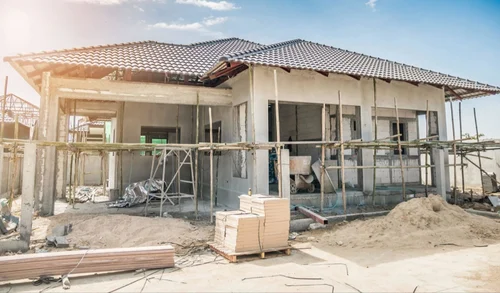
There’s a widespread assumption that renovations belong in summer. Longer days, warm weather, motivation to get things done. It sounds logical enough. But if you’re in KwaZulu-Natal, summer is often the worst time to be in the middle of a building project — and winter, which most people write off, is quietly the better option for a good chunk of renovation work.
This isn’t a new observation. At Abethu Builders, we’ve been doing residential and commercial work in Durban since 2010, and the clients who get the best results are usually the ones who’ve thought about timing. Not just what they want done, but when. The season affects materials, scheduling, drying times, and contractor availability more than most people account for when they start planning.
So here’s a straightforward look at which renovations are best suited to winter — and what makes the dry season worth building your plans around.
First, Why Does Winter Even Matter for Building Work?
KwaZulu-Natal winters are dry. That’s really the crux of it. Humidity drops, rainfall drops, and you get long stretches of stable, predictable weather that summer simply doesn’t offer. For building work, that predictability is worth more than most people realise.
Think about what actually goes into a renovation. Concrete, mortar, adhesives, plaster, waterproofing membranes, paint — all of it relies on controlled drying and curing conditions. Too much moisture in the air and surfaces don’t cure evenly. Adhesion fails. Paint blisters six months later. Screed cracks. These aren’t hypothetical problems; they’re what happens when work gets rushed through conditions that weren’t right for it.
Winter removes a lot of that risk. And beyond the materials side of things, dry weather means your contractor isn’t losing half a day every time a summer storm rolls in from the ocean. Schedules hold. Projects finish closer to when they were supposed to.
There’s also the availability factor. Winter is quieter for most building contractors — which generally means better pricing and more focused attention on your job than you’d get during the spring and summer rush.
Roofing Repairs and Replacements
This one is straightforward. Roof work and rainy season should not overlap, and the moment you can plan around that, winter becomes the obvious window.
When a contractor opens up a roof, your home’s interior is exposed. In summer, a clear morning can become a thunderstorm by two in the afternoon — and that’s not a situation you want when there’s no roof sheeting over your ceiling boards. Winter’s dry, stable weather gives your roofing team proper working windows, and the job gets done without the anxiety of watching the clouds.
There’s another reason winter is the right time to deal with roofing, and it’s practical rather than weather-related. If your roof has been leaking through summer, the evidence is fresh. You know exactly where the water’s getting in, what it’s damaged, and what needs to be fixed. Trying to diagnose a roof leak during the dry season based on where you think the problem might be is a lot less reliable than dealing with it immediately after the rains have shown you.
Abethu Builders handles roof repairs, replacements, and new installations across Durban — and the process starts with a proper assessment before any work is quoted or agreed. You know what you’re paying for before anything is touched.
Paving and Outdoor Hardscaping
Paving is one of those projects that seems simple until something goes wrong — and what usually goes wrong is the curing stage getting interrupted by rain.
A freshly laid paving installation needs time. The bedding layer, the mortar joints, the sealer if you’re using one — each stage has a window where it needs to be left alone to set. Rain before that window closes can shift pavers, cause uneven settling, and create joint failures that mean re-laying sections properly. It’s avoidable if the timing is right. Winter makes the timing right.
There’s a lifestyle angle worth mentioning too. Durban winters are exactly when you actually want to be outside. The evenings are comfortable, braais happen more often, and if you’ve been meaning to sort out the driveway or the entertainment area, doing it in May or June means you’re using it through the best outdoor months rather than watching the project drag into August.
Abethu Builders’ paving work covers driveways, pathways, pool surrounds, and entertainment areas. The focus is on work that actually holds up over time — not installations that look good for six months and then start showing problems.
Interior Plastering and Wall Repairs
Plastering is one of the most humidity-sensitive jobs in the building trades, which is something a lot of homeowners don’t know until something goes wrong with a plaster job done in the wrong conditions.
Fresh plaster needs to dry at a controlled rate. In high humidity, it stays damp longer than it should. That trapped moisture shows up later — sometimes weeks, sometimes months — as blistering paint, hairline cracking, or patches that never seem to take paint properly no matter how many coats you apply. It’s one of those problems that’s almost entirely avoidable with better timing.
Winter humidity levels give plaster the drying conditions it’s designed for. Walls cure more predictably, the finish is better, and you move through to the painting stage without the setbacks that summer conditions introduce.
If you’ve got cracked walls you’ve been patching over, a room addition in the works, or internal structural changes planned, getting the plastering done in winter means the prep work is done correctly before you ever pick a paint colour.
Interior Painting
Lower humidity is good for painting for the same reasons it’s good for plastering. Paint adheres better to a properly prepared surface when the air isn’t fighting you.
There’s also a timing incentive. If you get your interior painting done between June and August, your home is finished and refreshed well before the festive season. By October, when most families start thinking about year-end visitors and entertaining, you’re not still living around paint fumes and dust sheets.
For larger projects that combine plastering, repairs, and a full interior repaint, winter lets each stage flow into the next in the right order and at the right pace. That matters more than people think — rushing the painting stage because it’s already November and Christmas is coming is how you end up with a finish that doesn’t look right.
Bathroom and Kitchen Renovations
These are interior projects, so they’re less dependent on weather than roofing or paving. But winter still has an edge, and it comes down to two things: waterproofing and contractor availability.
Waterproofing in bathrooms is critical and often underestimated. When a bathroom is opened up for a renovation, the substrate is exposed and needs to be properly sealed before anything else goes on top. Doing that in high-humidity summer conditions isn’t ideal — membranes and waterproofing compounds need to cure as specified, and ambient moisture interferes with that. Winter conditions are consistently better for this stage.
On the kitchen side, the main challenge is managing without one while work is happening. In winter, that’s genuinely manageable. Cooking outside on a braai or a portable gas setup is comfortable and practical in Durban’s mild evenings. In the middle of a humid summer, it’s a different story.
Structural Additions and Room Extensions
If you’re adding a room, extending a living space, or building additional structures on your property, the reasoning for winter is similar to the rest: mortar, concrete, and brickwork all cure more reliably in dry conditions.
Rain during foundation or brickwork stages can wash out fresh mortar before it’s set, extend timelines unpredictably, and in more serious cases create inconsistencies in the structural work itself. It’s the kind of problem that’s hard to see later but shows up eventually.
A dry winter gives your contractor the conditions to work at a proper pace, schedule concrete pours with confidence, and move through structural stages without the interruptions that make summer building projects stretch well past their original timelines.
Abethu Builders’ building contractor services cover the full scope — from smaller residential additions through to larger commercial builds. The same approach applies to all of it: assess properly first, price it honestly, and deliver work that holds up.
Getting Your Winter Project Right
Timing the renovation is one thing. Planning it properly is what actually makes it work.
Start earlier than you think you need to. Good contractors fill up their winter schedules from April onwards. If you’re calling around in late May looking for availability in June, your options are already narrowed. The projects that go well are almost always the ones that were planned at least six to eight weeks before the work was due to start.
Nail down the scope before you start. Decide what you want done, get it quoted, and confirm it. Changes during an active project — especially structural or tiling work — cost more and take longer. The clearer the brief going in, the fewer surprises coming out.
Sequence matters. If you’re running multiple projects — say, a roof repair, interior plaster, and a repaint — the order isn’t optional. Roofing before any interior work, plastering before painting, waterproofing before tiling. Getting the sequence wrong means redoing work. Any contractor worth hiring will tell you this upfront.
Don’t rush the curing stages. Even in winter’s better conditions, plaster, screed, and waterproofing need adequate time before the next layer goes on. A contractor who respects those timeframes is one who’s thinking about how the job looks in two years, not just how quickly they can invoice.
Why Homeowners in Durban Use Abethu Builders
It comes down to straightforwardness. Abethu Builders has been in the Durban market since 2010 — long enough to have a genuine track record and a client base that comes back for additional projects and refers others.
The experience clients describe consistently is the same: the job gets assessed honestly, the price reflects the actual scope, and the work gets done properly. There’s no scope creep that wasn’t discussed, no disappearing act mid-project, no invoice at the end that looks different from the quote at the beginning.
For winter work specifically, the team approaches projects with the season in mind. That means materials suited to the conditions, sequencing that accounts for proper curing, and schedules that work with the dry window rather than against it.
Whether you’ve had a roof leaking through the last rainy season and you’re finally sorting it out, you want the driveway done before the year-end, or there’s a bathroom renovation you’ve been putting off — winter is when it makes sense to get it done properly.
FAQ
Is winter really suitable for outdoor building work in Durban? For most outdoor projects, yes — it’s the better season. KwaZulu-Natal winters are dry and mild, which gives contractors consistent working conditions. The afternoon thunderstorms that interrupt summer schedules aren’t a factor, and materials like mortar, adhesives, and sealers cure more predictably. Paving, roofing, and structural work all benefit from that.
Will I pay more for building work in winter because contractors are busier? Generally the opposite. Winter is quieter for most building contractors than the spring and summer period. You’re more likely to get better availability and competitive pricing than during the peak months, and your project tends to get more focused attention.
How long does a paving job typically take? It varies with the size and layout of the area, but most residential driveway or entertainment area paving projects take three to seven days for the actual installation, followed by a curing period before full use. You’ll get a specific timeline once the site has been assessed and the scope is confirmed.
Can I manage a kitchen renovation in winter without a working kitchen? Yes, and most clients find it easier than they expected. Cooking outside on a braai or portable gas setup is perfectly comfortable in Durban’s winter evenings. Planning your temporary setup before work starts is worth doing — it makes the disruption period much shorter in practice.
How do I get a quote from Abethu Builders? Contact the team directly through abethubuilders.co.za. They’ll arrange a site visit, assess your project, and give you a clear quote before any commitment is made.